Creating a home office that balances relaxation with productivity can significantly improve your work-from-home experience. Whether you’re new to remote work or looking to upgrade your current setup, a well-designed workspace promotes focus, creativity, and well-being. In this post, we’ll explore practical tips to help you build a home office that feels both comfortable and efficient.
Choose the Right Location
Selecting the right spot for your home office is a critical first step. Ideally, pick a quiet area with minimal distractions and enough space for your work essentials. Consider places near natural light sources like windows, which can boost your mood and energy levels.
If you don’t have a separate room available, create a dedicated workspace in a corner or on a desk in a shared room. Use room dividers or shelving units to visually separate your office area and signal the boundary between work and personal time.
Invest in Comfortable and Functional Furniture
Your furniture choices can make a big difference in comfort and productivity:
– Ergonomic chair: Choose an adjustable chair with proper lumbar support to maintain good posture and reduce fatigue during long hours.
– Spacious desk: Ensure your desk surface can accommodate your computer, notebooks, and any other essentials without feeling cluttered.
– Adjustable desk options: Consider a sit-stand desk to alternate between sitting and standing, promoting better circulation and reducing discomfort.
Comfortable furniture supports concentration and helps prevent physical strain, making your workday more enjoyable.
Optimize Lighting for Focus and Relaxation
Lighting plays a key role in creating a soothing yet productive environment:
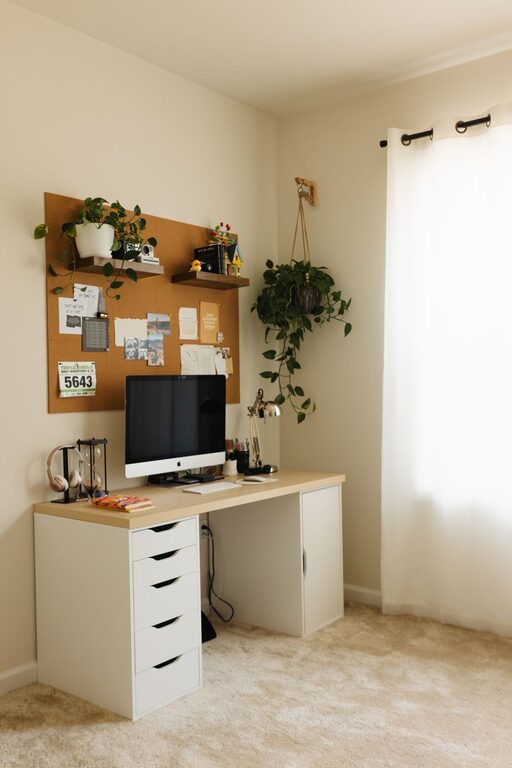
– Natural light: Position your desk near a window to take advantage of daylight, which enhances alertness and reduces eye strain.
– Task lighting: Use adjustable desk lamps for focused illumination on your work area, especially during early mornings or late evenings.
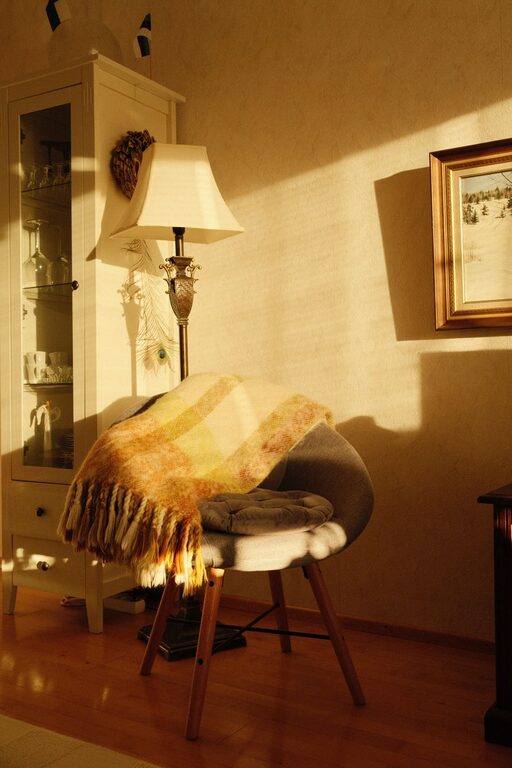
– Ambient lighting: Incorporate soft overhead lights or warm-toned bulbs to create a calm atmosphere without harsh glare.
Whenever possible, avoid facing screens toward bright windows to reduce screen glare.
Organize and Declutter Your Workspace
A tidy workspace makes it easier to focus and reduces stress:
– Storage solutions: Use shelves, drawers, or organizers to keep supplies and paperwork neatly stored.
– Minimalism: Limit your desk items to essentials to avoid distractions.
– Cable management: Use clips, sleeves, or boxes to keep cords organized and out of the way.
Set aside time regularly to declutter and reorganize your workspace to maintain a clean environment.
Personalize Your Space with Meaningful Elements
Adding personal touches can make your home office inviting and motivating:
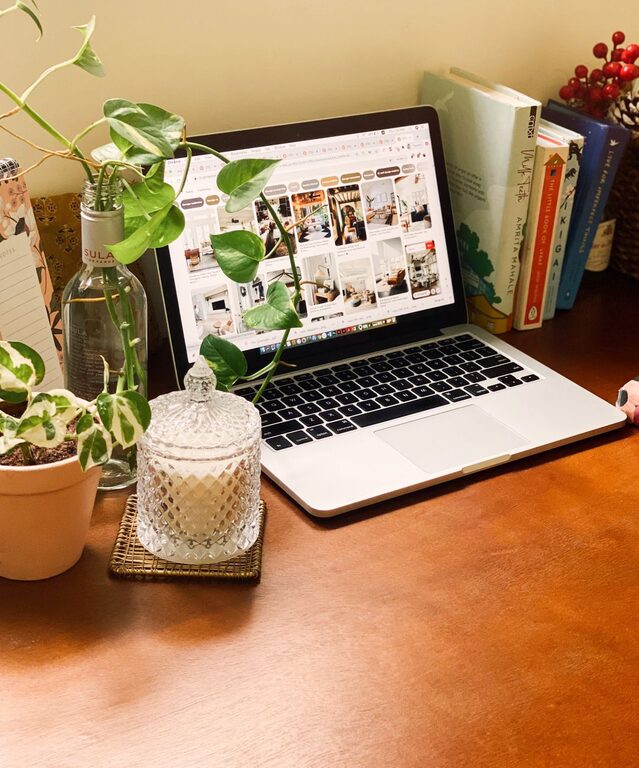
– Plants: Incorporate greenery to improve air quality and add a touch of nature.
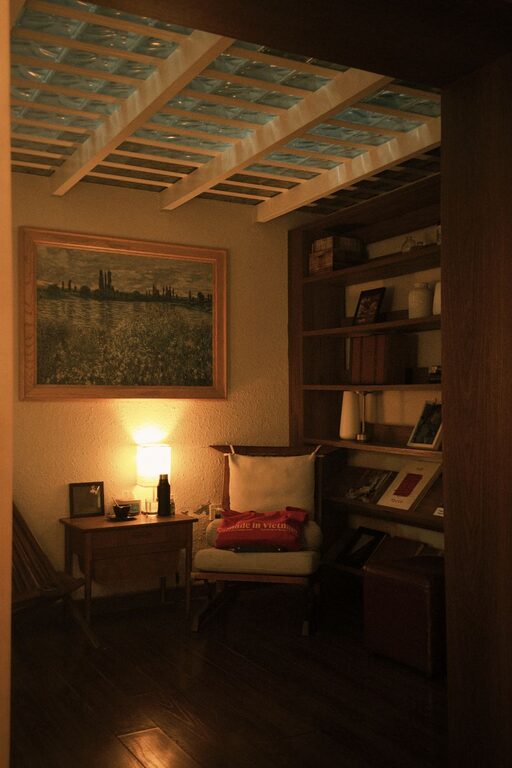
– Artwork or photos: Hang images that inspire you or bring positive memories.
– Decor: Choose colors and objects that soothe you, such as calming blue tones or soft textiles.
Personalization helps create a space where you feel comfortable and energized.
Minimize Noise and Distractions
Reducing noise and interruptions enhances concentration:
– Noise-canceling headphones: Use them to block out background sounds or listen to focus-enhancing music.
– White noise machines or apps: These can mask disruptive noises.
– Clear boundaries: Communicate your work hours and space boundaries to household members to minimize interruptions.
Maintaining a quiet environment supports sustained focus and reduces stress.
Create a Routine and Keep Breaks in Mind
Even the best workspace needs supportive habits:
– Consistent schedule: Set regular work hours to establish a healthy routine.
– Break area: Designate a spot away from your desk for short breaks to recharge.
– Movement: Incorporate stretches or walks to maintain energy and reduce stiffness.
Balancing work with rest improves overall productivity and well-being.
Equip Your Office with the Right Technology
Ensure your home office has reliable and relevant technology to keep your workflow smooth:
– Fast internet connection: A stable connection is essential for video calls and online tasks.
– Quality peripherals: Invest in a good keyboard, mouse, and webcam.
– Backup options: Have external drives or cloud storage to protect your data.
Up-to-date technology minimizes frustration and interruptions.
—
Building a relaxing and productive home office space is about creating an environment that supports your work style and comfort. By carefully choosing your location, furniture, lighting, and organization, and by adding personal touches along with good work habits, you can enjoy a balanced and efficient workspace at home. Start small and adjust your setup to find what works best for you!
About the Author